
Caught, Not Farmed
Wild-caught sardines, octopus, and anchovies from Spanish waters, not pond-raised substitutes sold on volume.
Canned Within Hours
Fish go from boat to tin the same day, locking in texture and flavor before anything has a chance to dull.
Tin That Holds Its Own
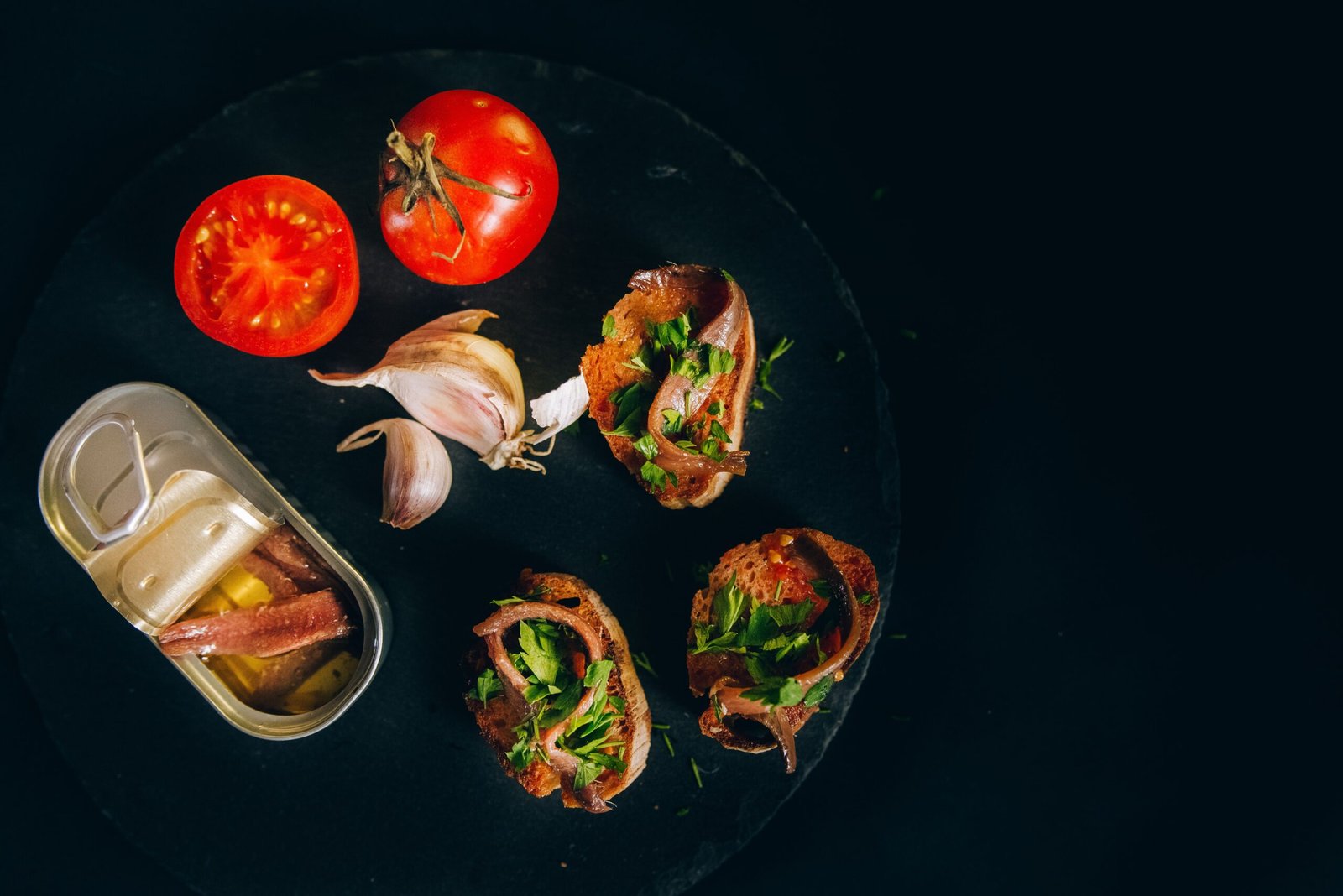
Good enough for a tapas board straight out of the can — no dressing up required, no filler ingredients to hide.
Best sellers
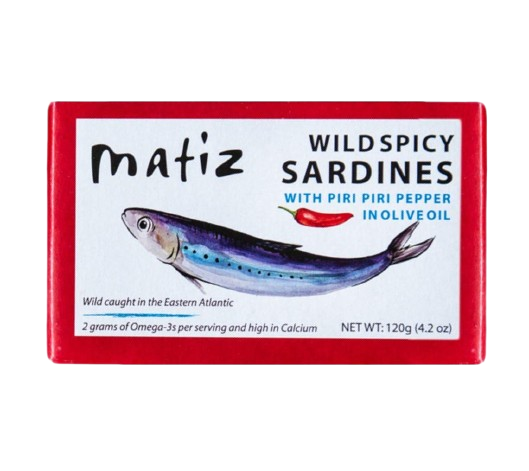
Spicy Wild Spanish Sardines in Olive Oil
Caught off the coast of Spain in the Eastern Atlantic using traditional fishing methods that help protect natural biological cycles.
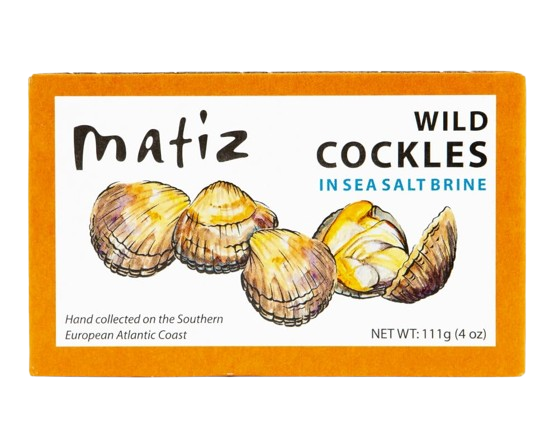
España Wild Cockles
Delicious berberechos, also known as cockles or baby clams, are sourced from the Atlantic coast of Spain, Portugal, and France.
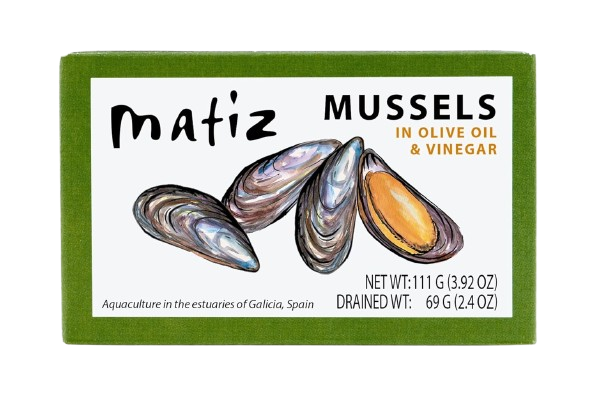
Mussels in EVOO & Apple Cider Vinegar
Crafted using artisanal fishing methods and carefully prepared by hand, reflecting the expertise and traditions of master canneries.
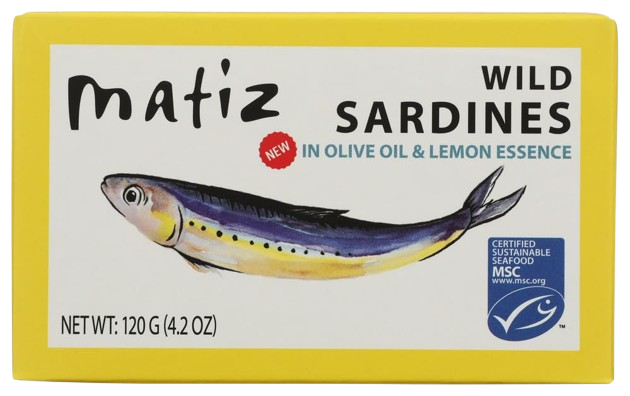
Sardines with Lemon Packed in Olive Oil
Packed in sunflower oil, this 100% artisan product is gluten-free and GMO-free, with no preservatives or added colors.
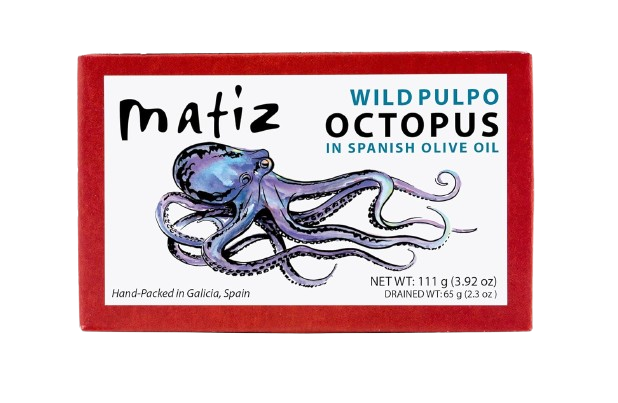
Wild-Caught Pulpo Octopus in Olive Oil
Traditional octopus pots from the Atlantic waters off the coasts of Spain, Portugal, and Morocco, regions renowned for their rich marine life.
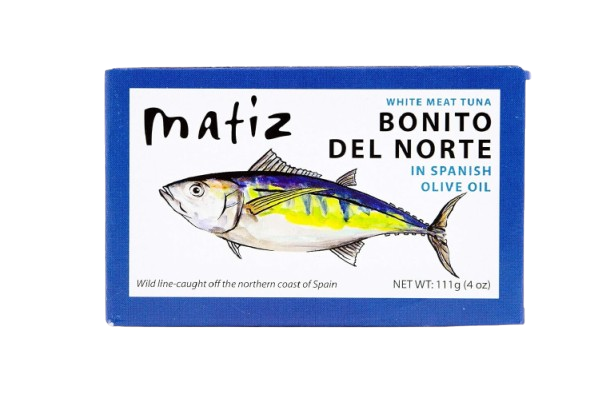
España Bonito Del Norte Tuna
Caught using traditional line-and-hook methods and carefully packed by hand to ensure the highest quality.
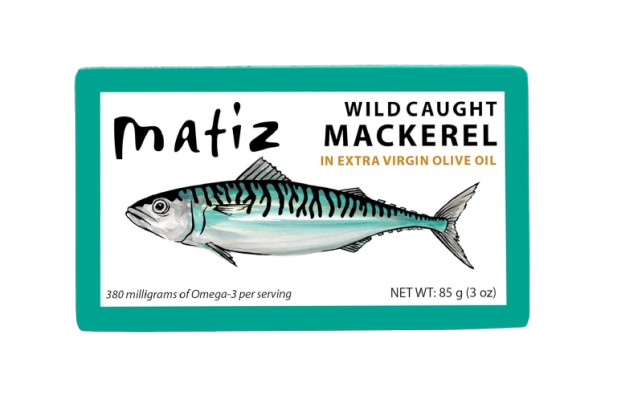
Mackerel in Extra Virgin Olive Oil
Sustainably harvested off the coast of Spain and packed in high-quality olive oil, our sardine fillets deliver rich, natural flavor with a bold, delicious taste.
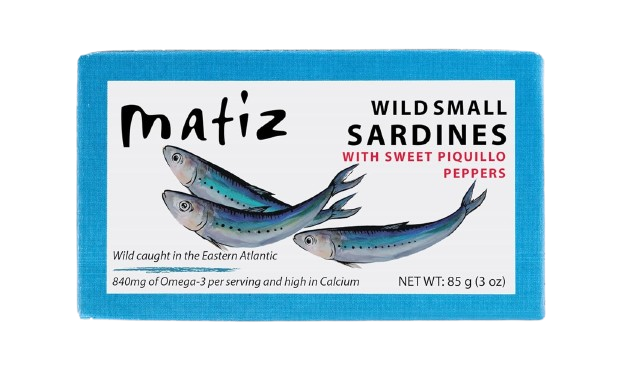
Sardinillas with Sweet Piquillo Peppers
Enjoy Matiz Sardinillas with Piquillo Peppers straight from the tin, or serve them layered with crusty bread, tomatoes, olive oil, and fresh basil.
Tides Bring News
Updates and announcements arrive with the same steady rhythm as the tide.
Categories
Spreads
Sea Salt
Spanish Almonds
Small Tins, Serious Opinions

“I grew up eating conservas from my abuela’s pantry and I’m hard to impress. The pulpo actually has bite to it instead of turning to mush in the tin, which almost never happens.”
Marisol Vega
Matiz Pulpo en Aceite de Oliva

“The anchovies aren’t as salty as the ones I usually buy, which means I can actually taste the fish instead of just salt. First tin I’ve finished in one sitting.”
Daniel Park
Matiz Anchoas

“Ordered a mixed case for a dinner party thinking it was overkill. Guests kept asking where I got the sardines specifically, so now I keep a shelf stocked.”
Hassan Idris
Matiz Variety Tin Selection
Gourmet Food
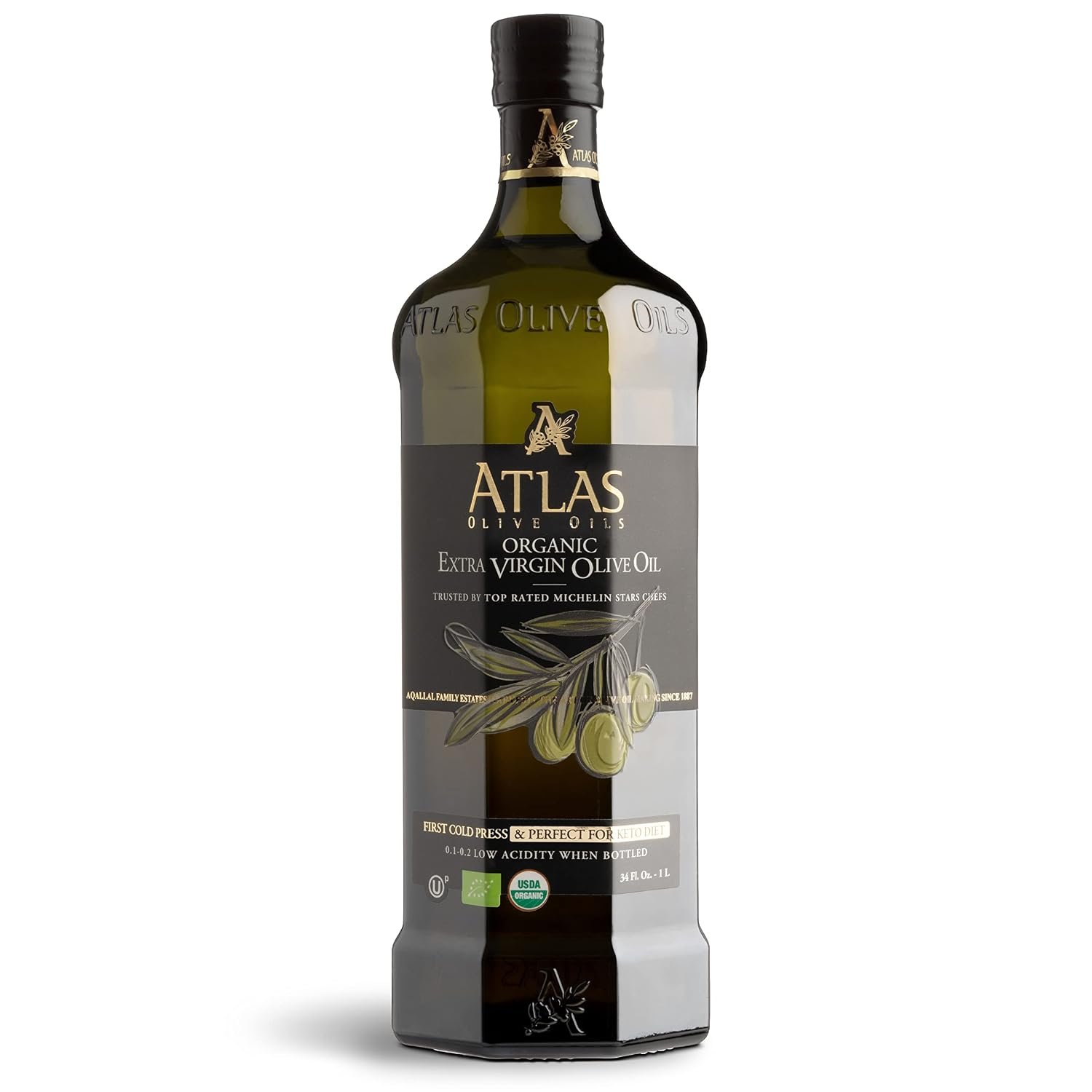
Extra Virgin Olive Oil
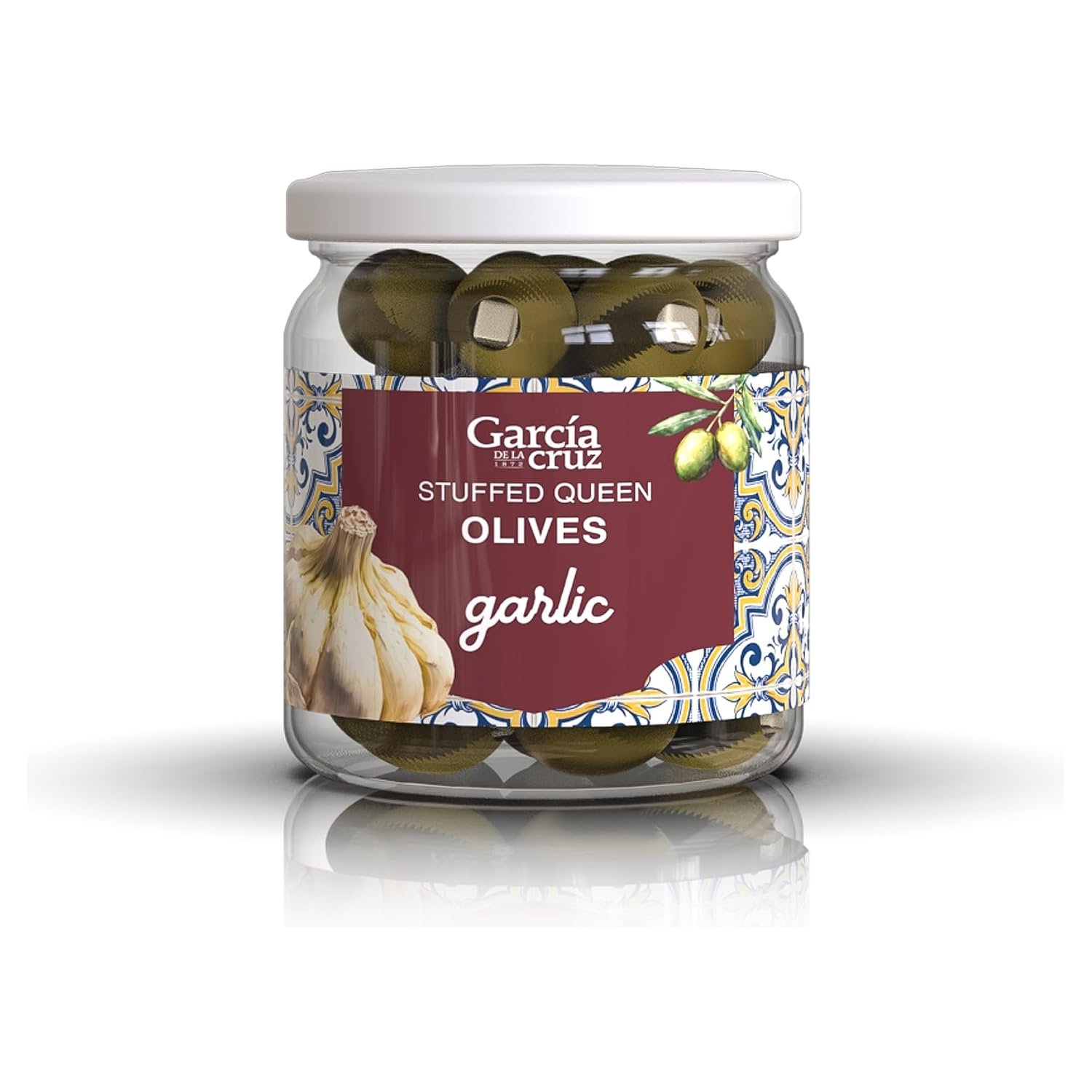
Olives & Tapas
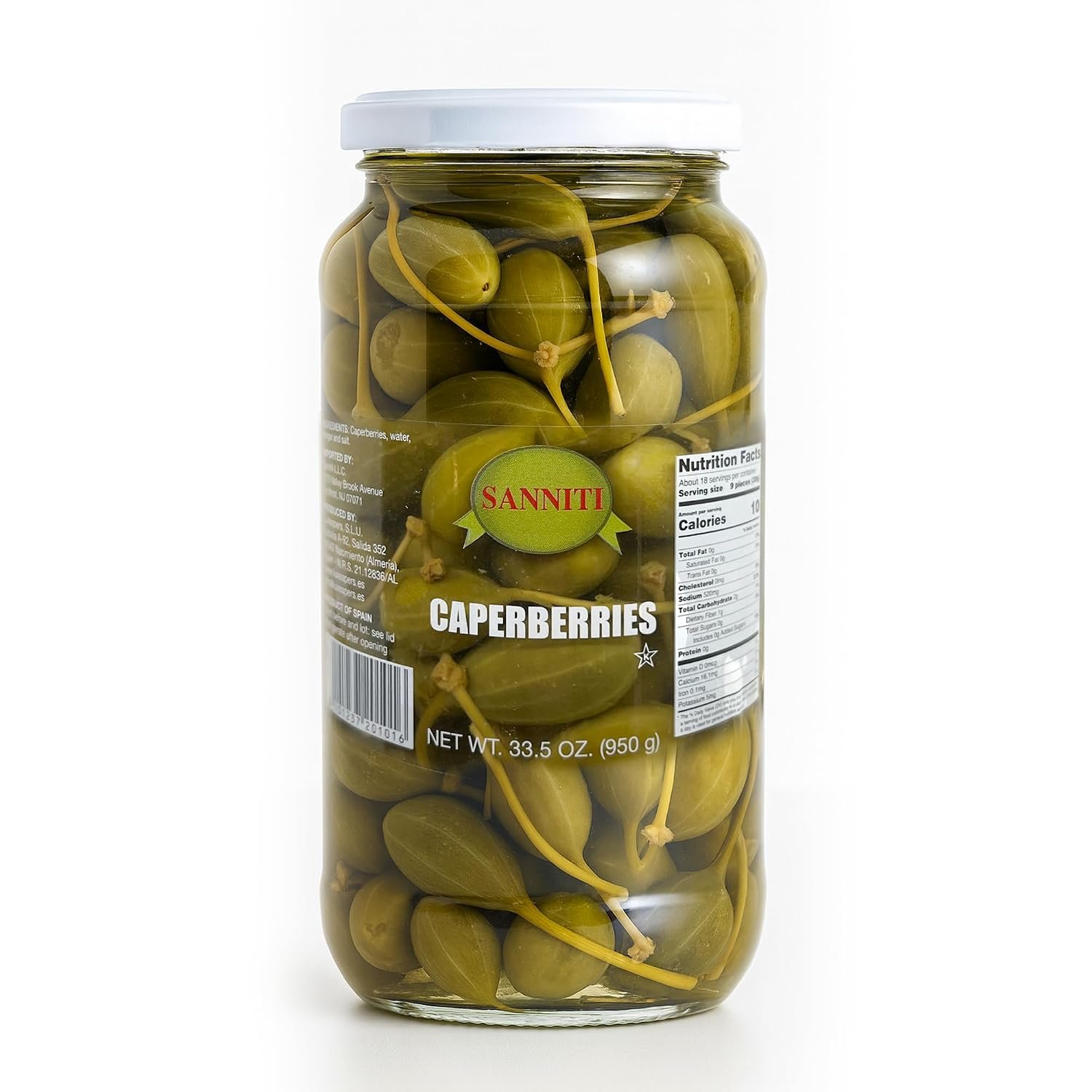
Capers & Pickles
Quick Answers
Contents are fully cooked and ready to eat straight from the tin, whether chilled or at room temperature. Warming it lightly is optional and mostly a matter of preference rather than necessity.
The oil or brine surrounding the contents helps preserve texture and flavor during storage. It can be saved and used in dressings, drizzled over vegetables, or worked into a sauce instead of being poured out.
A tin that’s dented, bulging, or leaking should be avoided, since that can signal a compromised seal. Checking the date stamped on the bottom or side and giving the container a quick once-over before purchase or use is a reasonable habit.
Once opened, it’s best used within a day or two and kept refrigerated in a sealed container, since exposure to air speeds up spoilage. Moving the contents out of the metal container before storing helps preserve flavor and prevents a metallic taste from developing.
A cool, dry pantry shelf away from direct sunlight and heat keeps things stable until it’s time to open one. Extreme temperature swings can affect texture over time, so keeping tins away from a stove or a sunny window is worth doing.
Straight on toast or crackers with a squeeze of lemon is one of the simplest options. Tossed into a salad, folded into pasta, or laid over roasted vegetables also works well — small amounts go a long way as an added layer of flavor.